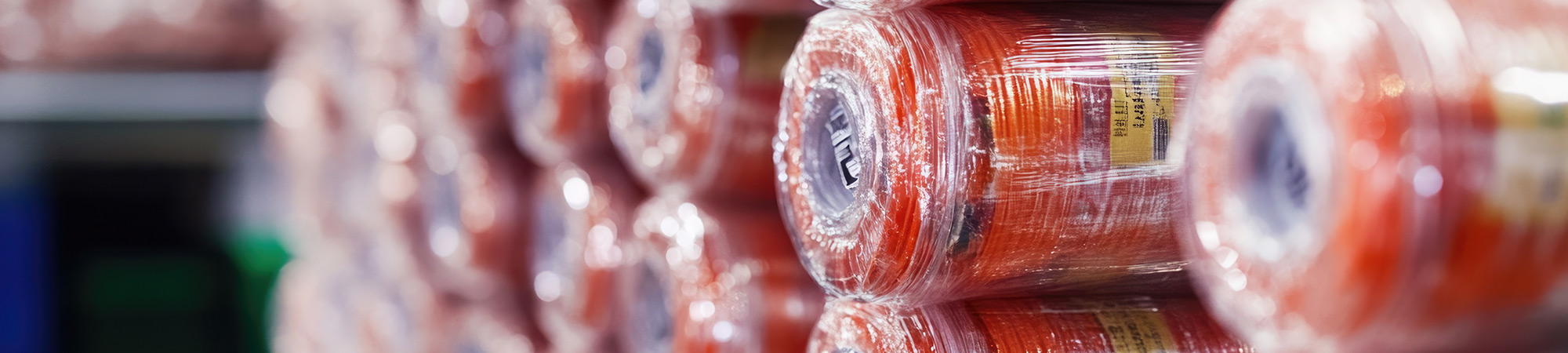
Shrink wrap and stretch films made from LLDPE are short-lived packaging materials widely used in logistics and industry. But behind this brief service life lies a high-quality polymer. LLDPE is not a low-cost material. It is a technically sophisticated plastic with stable material properties. That is exactly why recycling it makes sense.
Shrink wrap is also one of the most demanding materials in post-consumer recycling. High moisture content, heavy contamination, and inconsistent quality make processing complex. So the question of whether shrink wrap is economically recyclable can only be answered with yes, if the technology can handle unwashed, wet and printed material.
In this article you will learn:
Why LLDPE shrink wrap and stretch film recycling matters
Shrink wrap is made of thermoplastics, mostly LLDPE and shrinks under heat. It secures pallets, protects bundles, and safeguards goods in transit. Stretch film stretches when cold and wraps pallets without heat input.
Both film types are short-lived packaging materials. That is why they are used in large volumes across logistics, food and packaging industries. The majority ends up in the waste stream after a single use.
Yet LLDPE is a technically mature material with defined tensile and tear properties. That makes it a valuable secondary raw material.
The EU Packaging and Packaging Waste Regulation (PPWR) requires mandatory recycled content in plastic and film packaging from 2030 onwards. Certain minimum quotas apply and increase gradually. From 2030, certain packaging must contain at least 30% post-consumer recyclate, rising to 65% by 2040. Companies without a recycling solution today will struggle to meet these requirements tomorrow.
So those who do not recycle LLDPE films not only pay for disposal but also waste raw material potential. According to EREMA application data, shrink wrap and stretch film are among the most common LLDPE input materials for post-consumer recycling. They are therefore considered a secondary raw material with high market potential.
Regranulate from shrink wrap is used in film production as recycled content. Demand is rising due to legal requirements and growing interest in sustainable packaging solutions.
But there is another reason to ask the question “Is shrink wrap economically recyclable?” Companies that produce LLDPE regranulate themselves can achieve significant cost savings in film production, depending on the current rPE market price. The price for virgin material fluctuates heavily. Recyclate from in-house production reduces dependence on these fluctuations.
The economic calculation is simple: input costs (collection, recycling, logistics) versus output value (regranulate market price). For medium to large volumes, the break-even point is reached quickly. Unlike externally purchased recyclate, companies with their own recycling plant have full control over quality, availability, and costs.
ReadyMac HD processes up to 500 kg/h. With continuous operation, large quantities of regranulate can be produced, covering the needs of many medium-sized film producers or recycling companies.
Shrink wrap recycling is no longer a niche. It is an economic decision with measurable ROI.
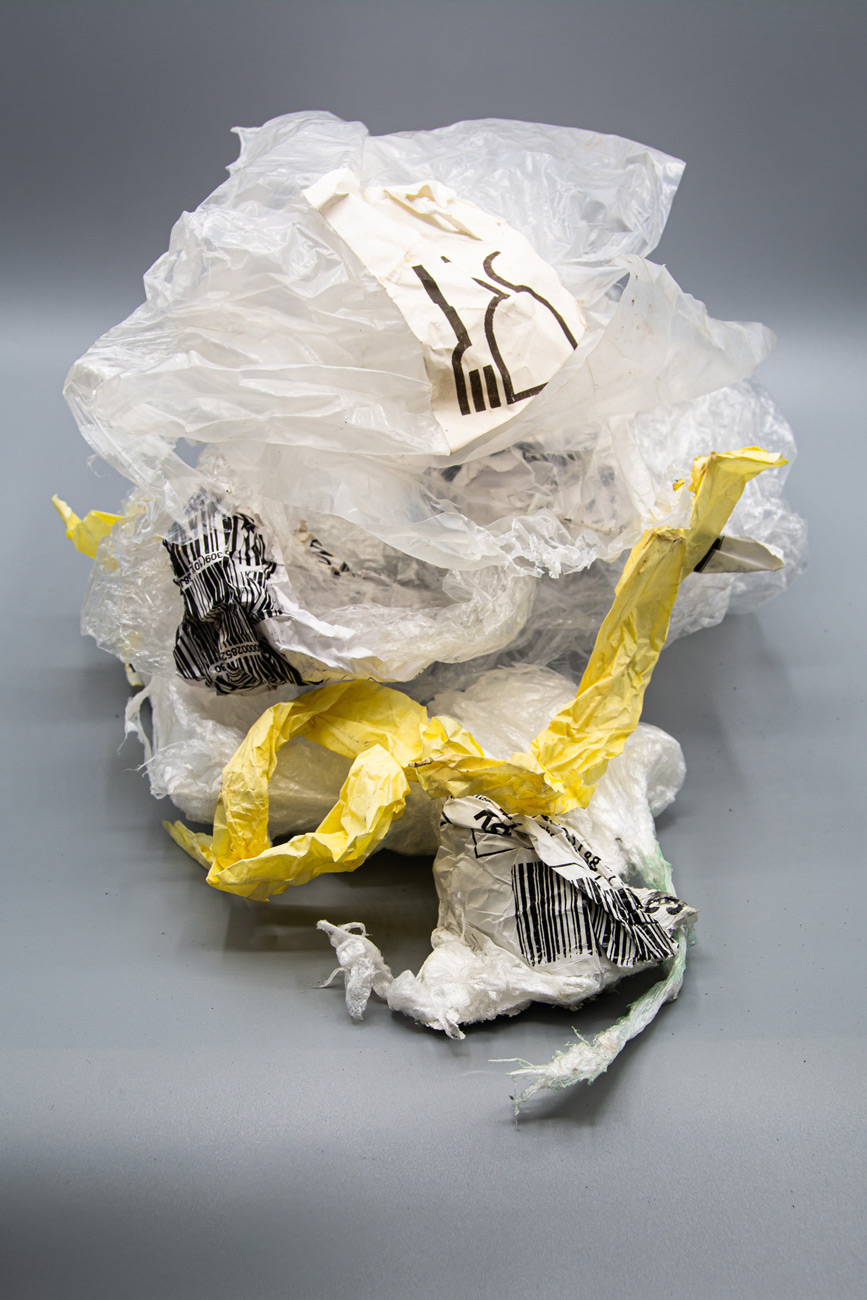
LLDPE films are generally very demanding during processing:
Are there differences in recycling shrink wrap and stretch film?
Both are recyclable but Shrink wrap is more demanding than stretch film. They can be processed in the same plant if the technology is flexible enough.
| Feature | Shrink Wrap | LLDPE Stretch Film |
| Material composition | Often LLDPE, sometimes with additives for shrink effect | Mostly pure LLDPE or LD/LLDPE blend |
| Contamination | Higher, as often direct contact with goods (e.g., food, pallets) | Mainly dust and moisture from outdoor storage |
| Printing | Often heavily printed (product information, logos) | Less often printed, mostly transparent |
| Contaminant content | Paper labels, adhesive tapes | Mainly strapping bands, wood residue |
| Recycling requirement | Plant must handle higher contamination and printing | Plant must filter moisture and foreign polymers |
Recycling unwashed shrink wrap and stretch film typically involves several steps: collection and pre-sorting, sorting by quality and color, washing and drying, shredding, melt filtration and extrusion, and finally pelletizing into homogeneous regranulate.
The most important factors for high-quality LLDPE regranulate, especially with post-consumer material:
ReadyMac HD uses the patented EREMA TVE technology. The decisive difference: melt filtration takes place BEFORE extruder degassing. This globally unique process sequence combines the EREMA laser filter with powerful degassing in a single pass. This ensures reliable removal of contaminants, even with demanding material.
ReadyMac HD is designed for demanding material:
Companies investing in shrink wrap recycling today secure raw material independence and meet the rising recyclate requirements of the EU Packaging Regulation. Despite demanding processing, shrink wrap and stretch film made of LLDPE is economically recyclable with the right technology.
ReadyMac HD is an immediately available recycling plant in standard configuration. It processes unwashed and heavily fluctuating material quality and delivers high-quality regranulate. This provides fast and straightforward access to advanced recycling at an attractive price.