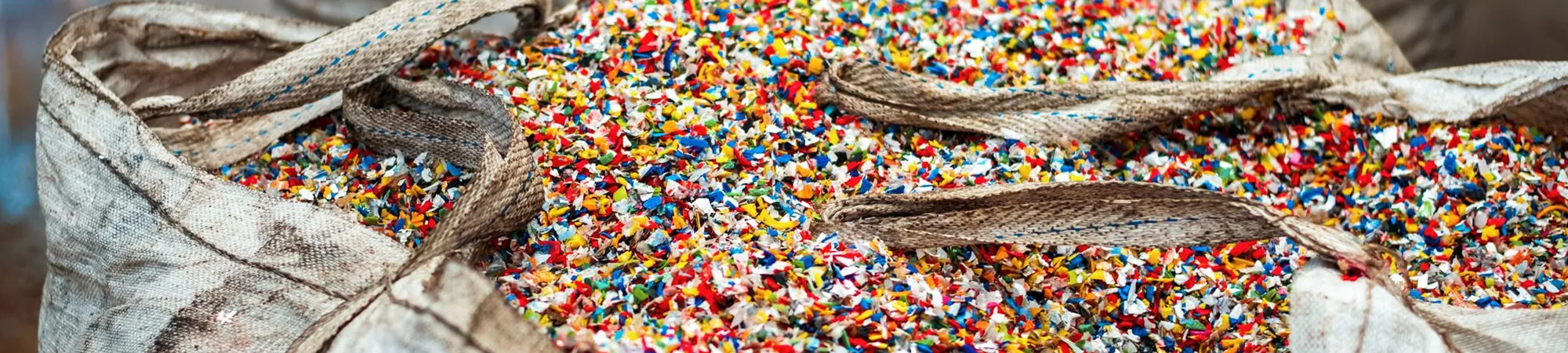
HDPE recycling: Typical input materials and key processing factors
HDPE (high-density polyethylene) is widely used across various industries due to its flexibility and durability, from packaging and pipes to durable everyday objects. However, these same properties also lead to a disproportionately high share in waste streams. In terms of a modern and resource-efficient circular economy, there is still a lot of untapped potential.
The challenge: Not all HDPE materials are the same. Factors such as contamination, additives, or thermal stress influence the quality of the recycled granulate and thus the economic efficiency of recycling.
In the following article, we highlight typical input materials, their specific challenges and the key factors in processing. Finally, ReadyMac shows how HDPE recycling can be implemented efficiently and to a high standard.
The most common input materials in HDPE recycling and their challenges
Food, cleaning and cosmetic containers
The most common HDPE waste in the consumer sector includes milk bottles, shampoo or cleaning product bottles and similar consumer packaging. These are usually marked with the recycling symbol "2" and make up a significant portion of the HDPE stream.
The processing of these materials is challenging:
- Food or cosmetic residues often stick to the material and lead to unpleasant odors and contamination in the regranulate.
- HDPE absorbs volatile organic substances such as terpenes or aromatic compounds. These can remain in the material even after recycling.
- Another problem arises from the frequent combination with other plastics such as PP , for example in closures, or from incorrect sorting.
Such contaminants impair material purity and limit industrial demand for recycled HDPE.
Industrial containers, pipes or films
HDPE is also widely used in industry, for example in the form of pipes, large containers or chemically resistant films. These applications are less likely to enter the recycling stream because they are contaminated with residues such as oil or chemicals (e.g., motor oil containers or fuel tanks). They make processing more difficult and also pose potential health risks.
In addition, many industrial HDPE products are exposed to intense UV radiation or mechanical stress for years. This causes material fatigue, microcracks and surface changes that hinder cleaning and further processing.
In applications such as pressure pipes in particular, repeated HDPE recycling can reduce material integrity to such an extent that reuse is no longer technically feasible.
Mixed waste containing epoxides, additives or dyes
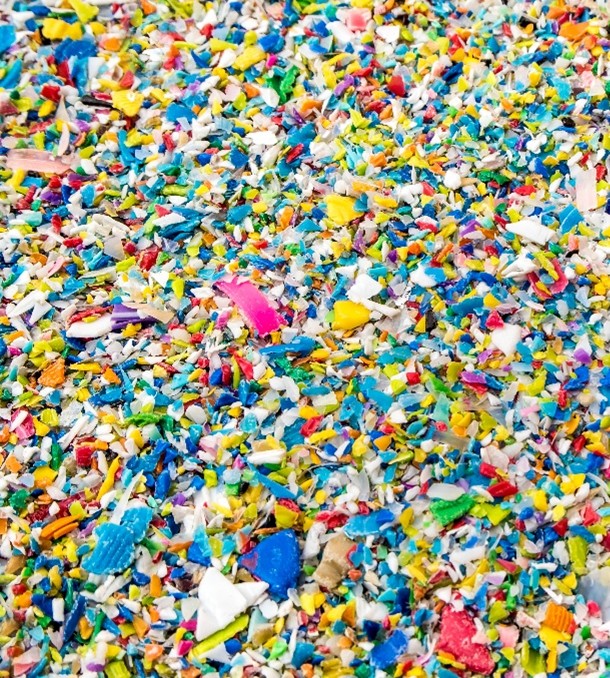
HDPE recycling becomes particularly complex when the input is not sorted by type but contains pigments, coatings or additives.
- Dyes, labels, printing inks, and adhesives interfere with NIR sorting technologies, reducing regranulate quality.
- Additives such as stabilizers or flame retardants alter the melting behavior and make the mechanical properties unpredictable.
- Mixing various polymers results in inconsistent recyclates with limited usability.
- Chemical contaminants such as pesticide or pharmaceutical residues are particularly problematic. They are difficult to remove and pose significant health risks.
Strict EU regulations therefore limit the use of such recyclates in sensitive sectors like food and cosmetics.
Key factors in efficient HDPE recycling
It is clear that economically viable HDPE recycling depends heavily on efficient sorting and cleaning processes. The following factors play a particularly important role in processing:
- Sorting: Precise separation according to polymer type, color and material purity is essential. Technologies such as NIR, density sorting and manual inspection are crucial.
- Cleaning: Efficient washing, label removal and residue dissolution are essential for quality and usability.
- Removal of contaminants: Residual substances such as terpenes or organic pollutants must be removed using specialized processes such as vacuum degassing or chemical cleaning.
- Prevention of thermal damage: Gentle melting, avoidance of overheating, and the use of stabilization technologies prevent polymer degradation.
- Use of compatibilizers: When HDPE is mixed with other plastics such as PP or PET, many recycling processes rely on chemical compatibilizers. These can be used to stabilize or improve the properties of the recyclate. However, this is only economically viable for certain combinations.
- Analytical control & safety: Chemical analyses to detect hazardous contaminants are essential for use in sensitive areas (e.g., food, cosmetics).
Efficient HDPE recycling with ReadyMac
The immediately available recycling system processes all types of polyethylene using its sophisticated TVE technology, even with demanding input material.
- Fine filtration: ReadyMac uses a melt filter (SW/RTF) for clean processing. The HeavyDuty version, ReadyMac HD, features an EREMA laser filter for highly contaminated input.
- Removal of volatile substances & contaminants: The revolutionary TVE technology combines uniform melting with powerful degassing in a single step.
- Gentle processing: Minimal shear and precise temperature control protect polymer chains from degradation. This ensures consistent melt flow indices.
- Flexible recycling of a wide variety of HDPE input materials: Whether natural, colored or contaminated in various ways, ReadyMac ensure reliable results.
- No need for compatibilizers: Even complex or slightly mixed HDPE streams can be reliably processed without additional additives. This saves costs, reduces material usage and at the same time delivers high-quality, homogeneous regranulate.
ReadyMac tackles all these challenges. Thanks to its unique TVE technology, even difficult input streams are processed into a homogeneous, high-quality recyclate that meets the high demands of the industry.
This makes ReadyMac the ideal solution for companies that want to combine efficiency, quality, and safety in HDPE recycling. Rely on a technology that meets not only today's but also tomorrow's requirements for sustainability and circular economy.